
Compare Local Contractors for Commercial Masonry Projects
Compare local contractors for commercial masonry to define project scope, verify experience, and set clear expectations for a successful outcome.
Commercial masonry services encompass a wide range of construction and repair tasks related to the use of brick, stone, concrete blocks, and similar materials in commercial properties. This work often includes building or restoring exterior facades, constructing load-bearing walls, installing architectural features, and performing structural repairs to ensure safety and durability. When selecting a contractor for these services, it’s important to verify their experience with similar projects and to understand the specific scope of work needed, whether it involves new construction, renovation, or maintenance. Clear communication about project details helps ensure that expectations are aligned and that the work meets the property’s functional and aesthetic requirements.
Defining the scope of a masonry project is a crucial step in working with service providers. A detailed scope outlines the specific tasks, materials, and standards expected, which can prevent misunderstandings and scope creep as the project progresses. Property owners should work with contractors to document all aspects of the work, including dimensions, design preferences, and any special considerations such as structural reinforcements or decorative finishes. Having this information in writing provides a clear reference point, helps manage expectations, and facilitates comparisons between different local contractors, ensuring that each provider understands exactly what is required.
When evaluating local contractors for commercial masonry work, property owners should consider a variety of factors beyond just experience. It’s beneficial to review their portfolio of past projects, especially those similar in size and scope, to gauge their capabilities. Asking for references or examples of completed work can provide insight into their reliability and craftsmanship. Additionally, comparing how contractors define project scope, communicate their process, and outline deliverables can help identify the most suitable service providers. Gathering this information allows property owners to make informed decisions and select contractors who are well-equipped to handle the specific needs of their commercial projects.
Compare local contractors by outlining project priorities, verifying experience, and setting clear expectations in writing.
- Compare Contractor Credentials - Review the experience and reputation of local contractors to ensure quality workmanship.
- Define Project Scope Clearly - Outline specific masonry services needed to help contractors provide accurate proposals.
- Verify Experience and Past Work - Request examples of previous commercial masonry projects to assess expertise.
- Document Expectations in Writing - Ensure all project details, scope, and responsibilities are clearly outlined in written agreements.

Clearly describe your commercial masonry project upfront to help compare local contractors and set clear expectations.
- Verify the experience and reputation of local contractors specializing in commercial masonry projects. - Ensuring a contractor's background aligns with your project's scope helps set clear expectations.
- Define the specific scope of work in writing, including materials, dimensions, and finishes. - Clear documentation prevents misunderstandings and provides a reference throughout the project.
- Check that contractors have appropriate insurance coverage to protect against potential liabilities. - Proper insurance details demonstrate professionalism and reduce risk exposure.
- Request detailed proposals that outline the scope, materials, and work methods to compare options effectively. - Comprehensive proposals help evaluate the thoroughness and approach of different service providers.
- Discuss project timelines and milestones to ensure all parties have aligned expectations. - Clear timeline expectations facilitate smooth coordination and accountability.
- Review references or past projects to assess the quality and consistency of the service providers' work. - Past project evaluations provide insight into a contractor's reliability and craftsmanship.
Compare local contractors' experience and clarify project scope to ensure smooth masonry service planning.

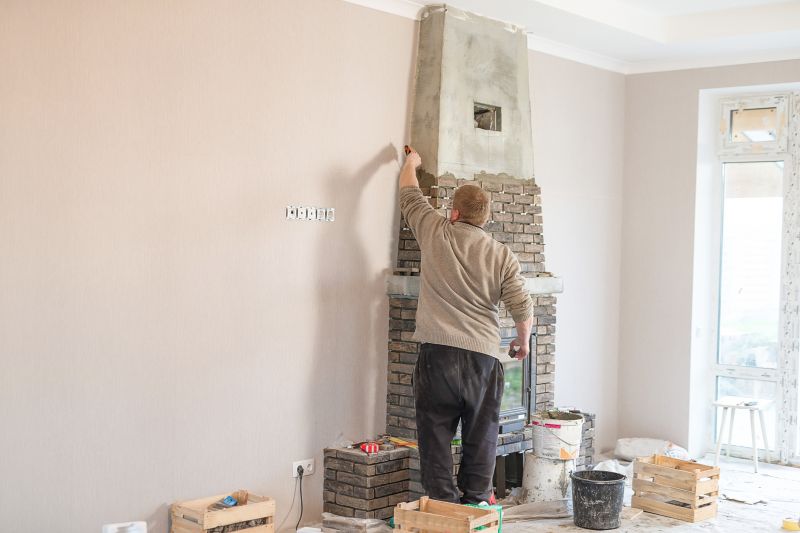

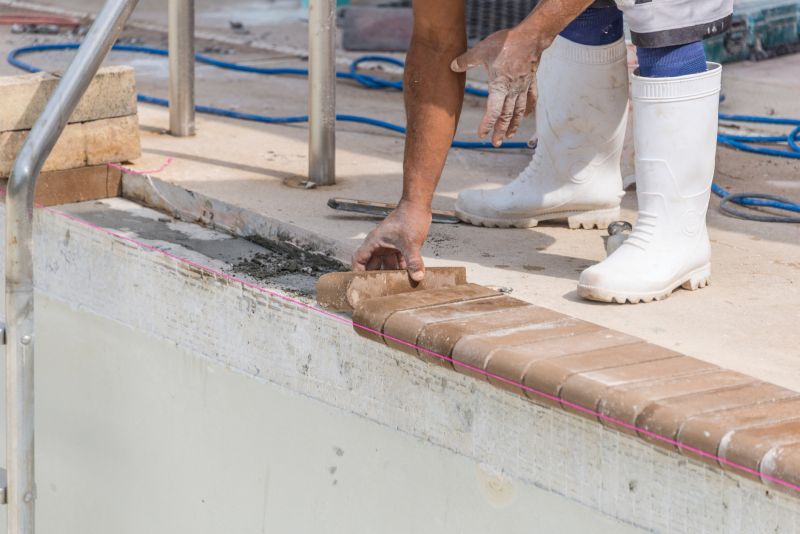
This section helps you compare commercial masonry contractors by defining scope, verifying experience, and setting clear expectations.
- Scope Definition - Clearly outline the specific masonry work required for the commercial project.
- Experience Verification - Confirm that the service providers have relevant experience with similar commercial masonry projects.
- Material Specifications - Specify the types of materials to be used and any quality standards to be met.
- Work Standards - Establish expectations for workmanship, safety, and adherence to project specifications.
- Written Agreement - Ensure all scope details, responsibilities, and expectations are documented in a formal contract.
When evaluating contractors for commercial masonry services, it is important to consider their experience with projects similar in scope and complexity. Inquire about the types of commercial structures they have worked on, such as office buildings, retail centers, or industrial facilities, and ask for details about their involvement in projects of comparable size. A contractor with a proven track record in similar work can provide insights into their familiarity with the unique challenges and standards of commercial masonry, helping to ensure that they possess the relevant expertise needed for the job.
A clear, written scope of work is essential for establishing mutual understanding and expectations. When comparing service providers, look for detailed proposals that outline the specific tasks, materials, and deliverables involved in the project. A well-defined scope helps prevent misunderstandings and provides a solid foundation for communication throughout the project. It also allows for easier comparison between contractors, ensuring that each proposal covers comparable work and clarifies what is included and excluded.
Verification basics are key when assessing potential contractors. Confirm their ability to provide references from previous commercial projects, and consider speaking with past clients to gain insights into their reliability and quality of work. Additionally, verify that the contractor has the necessary experience and knowledge to handle the specific requirements of commercial masonry, such as dealing with structural considerations, code compliance, and material specifications. Checking these basics can help identify service providers who are capable of delivering consistent results.
Evaluating options without focusing on prices involves carefully comparing the scope, experience, and professionalism of each contractor. Look for detailed proposals that align with the project’s needs, and assess the clarity and thoroughness of each one. Consider the contractor’s reputation, the quality of their previous work, and their ability to communicate effectively. By focusing on these factors, homeowners can select from local contractors who demonstrate the skills, experience, and professionalism necessary for a successful commercial masonry project.
Ask contractors to provide written scope details to ensure clear, consistent expectations for your commercial masonry project.
- Experience and Expertise - What specific masonry projects have local contractors completed similar to your commercial needs?
- Scope of Work - How clearly do contractors define the scope and deliverables for your commercial masonry project?
- Materials and Techniques - What materials and construction methods do the service providers plan to use, and how do they compare?
- Project Management and Communication - How do local contractors handle project coordination and keep clients informed throughout the process?
- References and Past Work - Can contractors provide references or examples of previous commercial masonry work to verify their experience?
What should I consider when comparing contractors for commercial masonry services? It's important to review their experience, verify their reputation, and ensure they understand your project scope to find the best match for your needs.
How can I define the scope of my commercial masonry project? Clearly outline the specific work required, including materials, dimensions, and any special requirements, and communicate these details in writing to potential contractors.
What questions should I ask to verify a contractor’s experience? Inquire about their previous projects similar to yours, request references, and ask about the types of masonry work they specialize in to assess their expertise.
Why is it important to get everything in writing when hiring a masonry contractor? Having a written agreement helps set clear expectations, defines project scope, and provides a record of commitments, reducing misunderstandings later.
How can I ensure a contractor understands my project requirements? Provide detailed descriptions, sketches, or plans, and confirm that the contractor acknowledges and agrees to the scope before work begins.
What should I look for in a contractor’s portfolio or past work? Review examples of completed projects similar to yours to assess quality, craftsmanship, and whether their style aligns with your vision.
This page has highlighted the importance of thoroughly comparing commercial masonry contractors to find the right fit for your project. Visitors learned how to define the scope of work clearly, verify the experience of potential service providers, and set expectations in writing to ensure everyone is aligned. These steps can help streamline the process of connecting with reputable local contractors capable of handling the job.
Utilizing the quote form allows you to efficiently explore options among local service providers, making it easier to evaluate different contractors and their offerings. Taking the time to compare and define your project needs can lead to a more informed decision when choosing a commercial masonry professional.